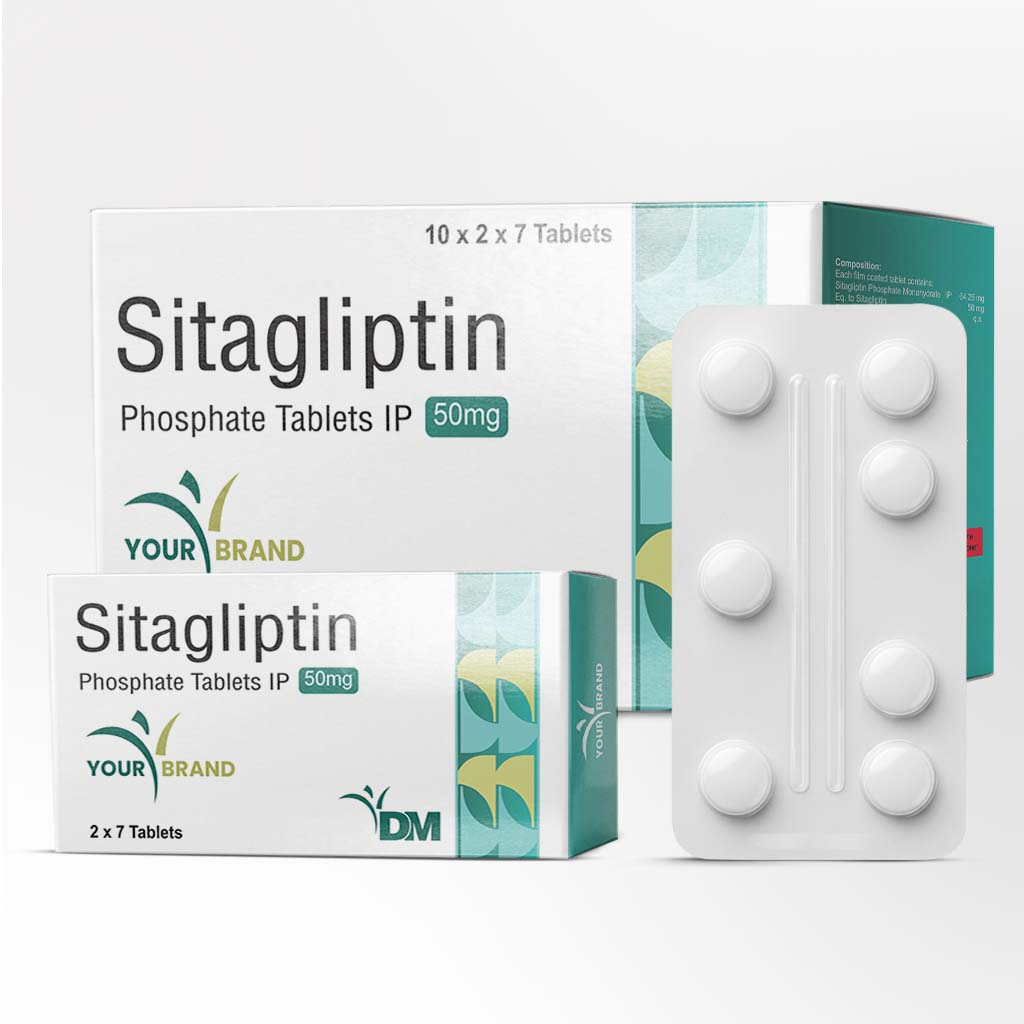
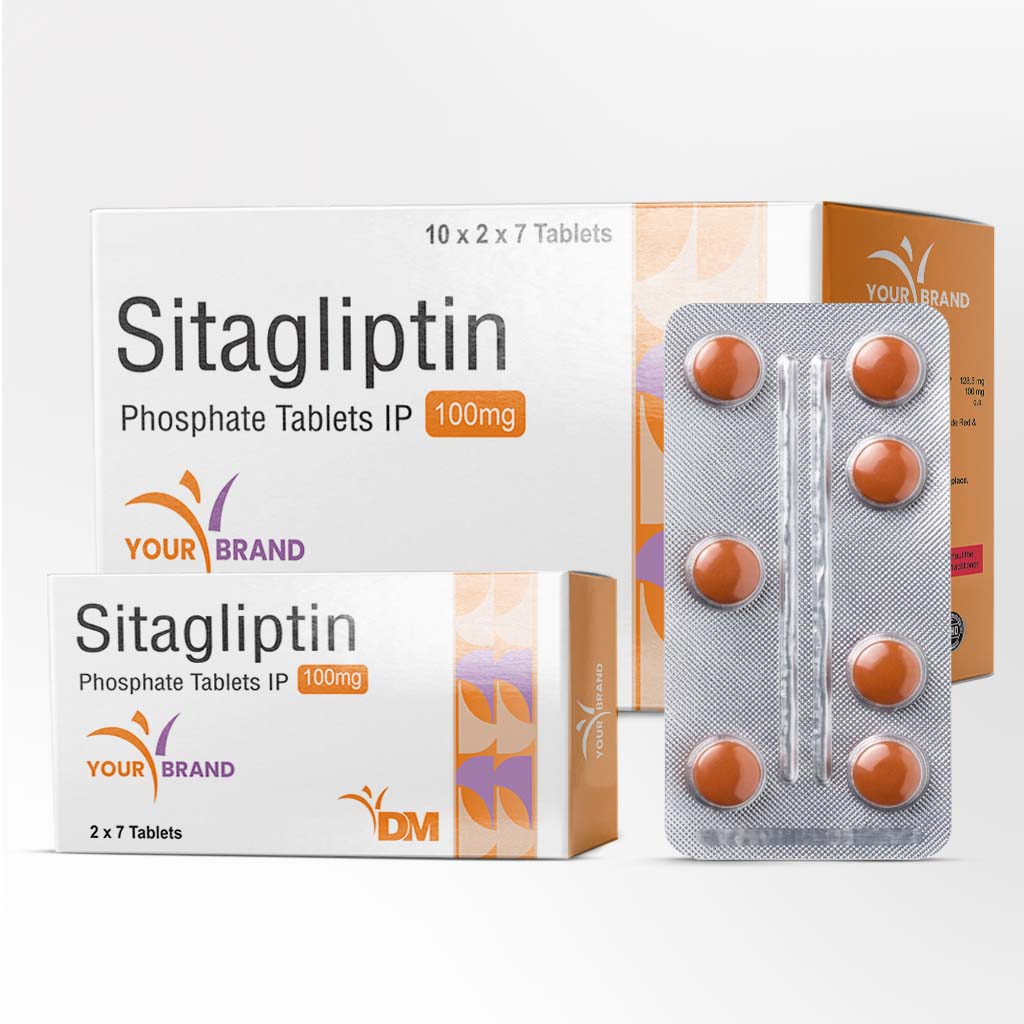
Sitagliptin Tablets

Project Image

Therapeutic Indication

Type 2 Diabetes Mellitus
Improves glycemic control
Combination therapy with other antidiabetic agents
+91 85919 78885

Sitagliptin

Tablet

Sitagliptin tablet contains the active substance sitagliptin which is a member of a class of medicines called DPP-4 inhibitors (dipeptidyl peptidase-4 inhibitors) that lowers blood sugar levels in adult patients with type 2 diabetes mellitus. This medicine helps to increase the levels of insulin produced after a meal and decreases the amount of sugar made by the body.

Speciality Diabetology
Tags Diabetes | DPP-4 Inhibitor | Blood Sugar | Antidiabetic
Strength
  • 32.12 mg
  • 64.25 mg
  • 128.5 mg
Packing Size
  • 10 Tablets

Check all Tablets Range

Click to know More

Mechanism

Sitagliptin is a member of the gliptin class of anti-diabetic medications. Its mechanism of action is through inhibition of dipeptidyl peptidase-4 (DPP-4), an enzyme that acts to degrade and inactivate glucagon-like peptide-1 (GLP-1). Sitagliptin works by increasing the amount of insulin that your body makes. Insulin is the hormone that controls sugar levels in your blood.

Pharmacokinetics

  • Absorption: Sitagliptin is rapidly absorbed after oral administration, with peak plasma concentrations reached in 1–4 hours.
  • Bioavailability: Approximately 87% following oral dosing.
  • Distribution: Plasma protein binding is low (~38%), allowing wide tissue distribution.
  • Metabolism: Minimally metabolized; about 16% of dose undergoes metabolism, primarily via CYP3A4 and minor contribution from CYP2C8.
  • Elimination: Primarily excreted unchanged in urine (~79% of dose) via active tubular secretion.
  • Half-life: Terminal elimination half-life is approximately 12 hours, supporting once-daily dosing.
  • Side Effects

    • Headache
    • Nasopharyngitis
    • Upper respiratory tract infection
    • Nausea
    • Hypoglycemia (when used with other antidiabetic drugs)

    Contraindication

    • Hypersensitivity to Sitagliptin
    • Type 1 Diabetes Mellitus
    • Diabetic ketoacidosis

Interaction

  • Insulin and sulfonylureas (risk of hypoglycemia)
  • Digoxin
  • Other antidiabetic medications

Warning and Precautions

This has been prescribed for the patient's specific condition. It may be dangerous to any other person.

  • Use cautiously in renal impairment
  • Monitor for signs of pancreatitis
  • Adjust dose in kidney disease
  • Not recommended for Type 1 Diabetes

Dosage

As directed by the Physician.