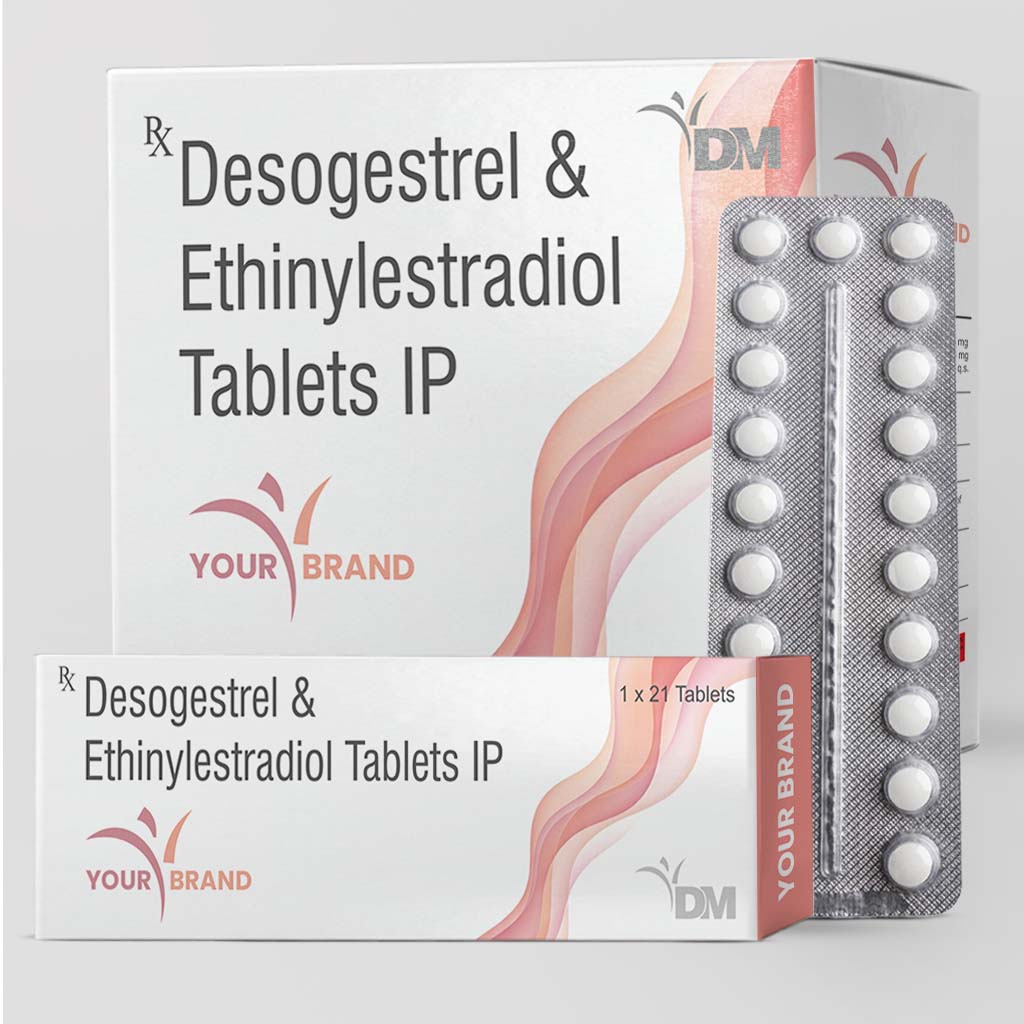
Drospirenone + Ethinylestradiol Tablets

Project Image

Therapeutic Indication

Contraception (Birth Control)
Regulation of Menstrual Cycles
Management of Premenstrual Syndrome (PMS)
Reduction of Acne due to hormonal imbalance
+91 85919 78885

Drospirenone + Ethinylestradiol

Tablet

Drospirenone and ethinyl estradiol combination is used to prevent pregnancy. It is a birth control pill that contains two types of hormones, drospirenone and ethinyl estradiol, and when taken properly, prevents pregnancy. It works by stopping a woman's egg from fully developing each month. The egg can no longer accept a sperm and fertilization (pregnancy) is prevented.

Speciality Oral Contraceptive
Tags Contraception | Hormonal Therapy | Menstrual Regulation | PMS Relief | Acne Control
Strength
  • Drospirenone 3 mg
  • Ethinylestradiol 0.03 mg
Packing Size
  • 21 Tablets

Check all Women Range

Click to know More

Mechanism

Ethinylestradiol is a synthetic estrogen that decreases luteinizing hormone to decrease endometrial vascularization, and decreases gonadotrophic hormone to prevent ovulation. It has a long duration of action as it is taken once daily, and a wide therapeutic index as overdoses are generally not associated with serious adverse effects. Combined oral contraceptives suppress ovulation by suppressing gonadotrophic hormone, thickening cervical mucus to prevent the travel of sperm, and preventing changes in the endometrium required for implantation of a fertilized egg. Ethinylestradiol decreases luteinizing hormone, decreasing vascularity in the endometrium. It also increases sex hormone binding globulin.
Drospirenone inhibits the maturation of follicles and inhibits ovulation, preventing pregnancy. It has antiandrogen effects, improving acne and hirsutism. When combined with ethinyl estradiol, it has been shown to have favorable effects on the plasma lipid profile. Due to its similarity to naturally occurring progesterone, drospirenone is thought to be associated with a lower incidence of progesterone contraceptive related adverse effects, such as breast tenderness and mood swings.

Pharmacokinetics

  • Absorption: Rapidly absorbed after oral administration.
  • Distribution: Ethinylestradiol is highly protein-bound; drospirenone binds to albumin.
  • Metabolism: Ethinylestradiol metabolized via CYP3A4; drospirenone metabolized hepatically.
  • Excretion: Eliminated via urine and feces.
  • Half-life: Drospirenone ~30 hours; Ethinylestradiol ~20 hours.

Side Effects

  • Nausea, headache, breast tenderness, mood changes.
  • Breakthrough bleeding or spotting.
  • Risk of venous thromboembolism (blood clots).
  • Hypertension, stroke, myocardial infarction (rare but serious).
  • Hyperkalemia due to drospirenone’s anti-mineralocorticoid effect.

Contraindication

  • Not recommended in smokers above 35 years
  • Monitor blood pressure
  • Renal insufficiency or adrenal insufficiency (risk of hyperkalemia).
  • Known or suspected breast cancer or estrogen-dependent neoplasia.
  • Undiagnosed abnormal vaginal bleeding.

Interaction

  • Enzyme inducers (rifampicin, phenytoin, carbamazepine) reduce contraceptive efficacy.
  • Antibiotics (tetracyclines, penicillins) may lower absorption.
  • Potassium-sparing drugs (spironolactone, ACE inhibitors) increase risk of hyperkalemia.
  • St. John’s Wort reduces plasma levels, decreasing effectiveness.

Warning and Precautions

  • Contraindicated in women with history of thromboembolic disorders.
  • Not recommended in uncontrolled hypertension or severe liver disease.
  • Monitor potassium levels if combined with potassium-sparing drugs.
  • Use with caution in smokers above 35 years due to cardiovascular risk.