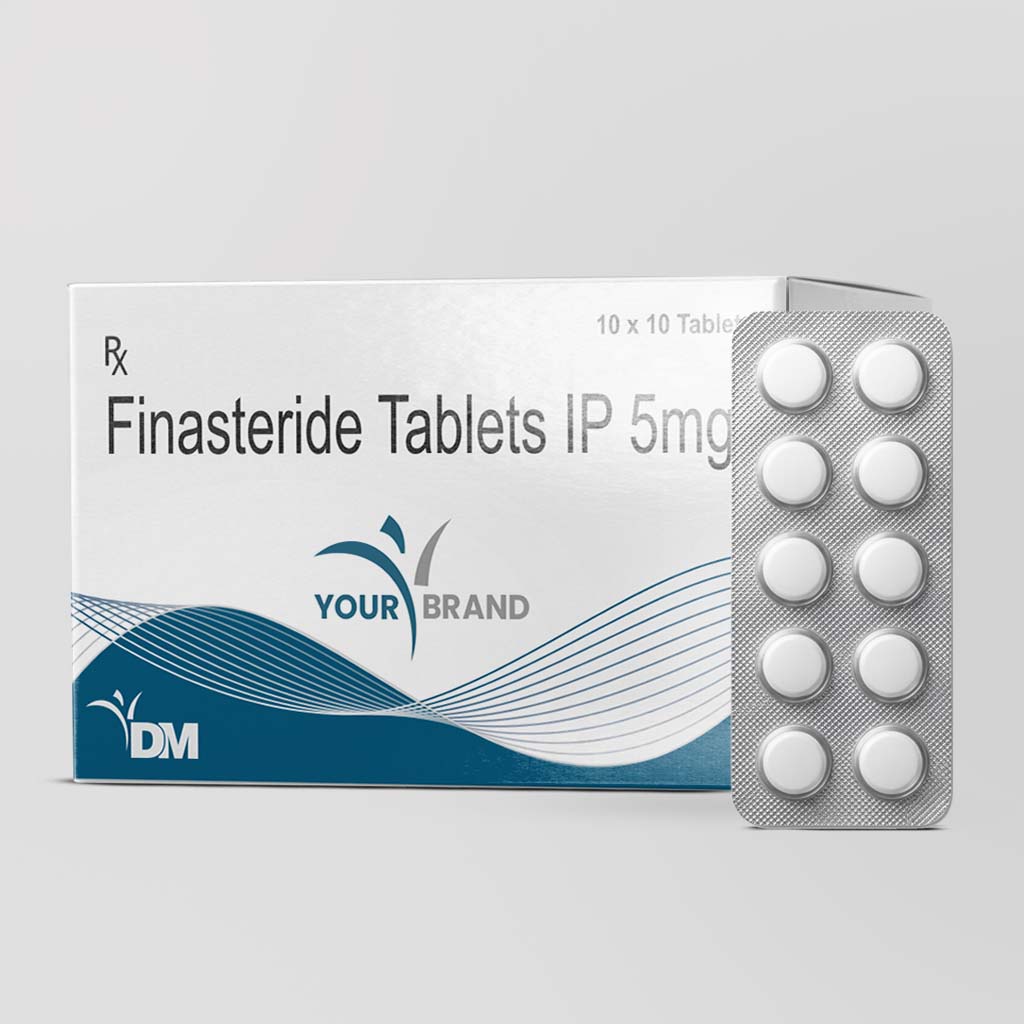
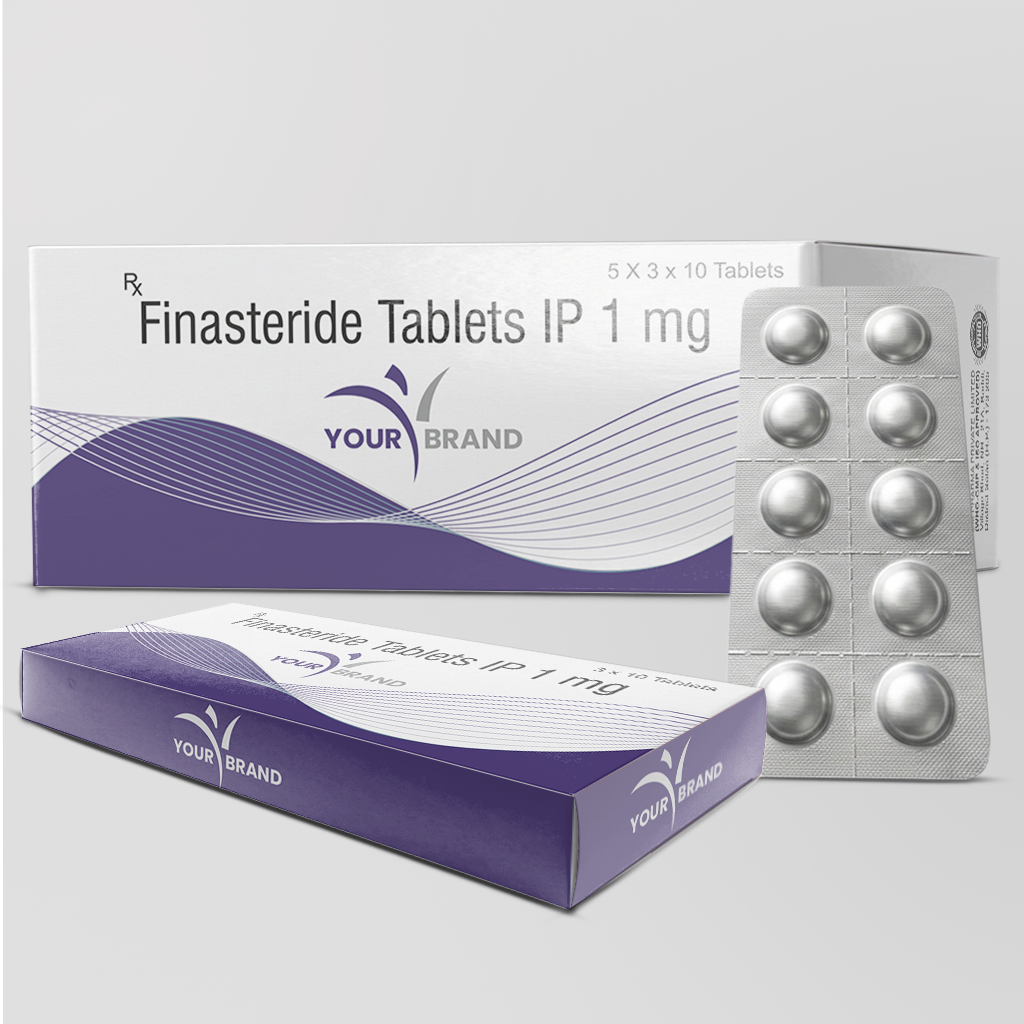
Finsateride Tablets

Project Image

Therapeutic Indication

Male pattern hair loss (androgenetic alopecia)
Benign prostatic hyperplasia (BPH)
Improves urinary flow and reduces prostate size
+91 85919 78885

Finasteride

Tablet

Finasteride is a 5-alpha reductase inhibitor used in the treatment of male pattern hair loss (androgenetic alopecia) and benign prostatic hyperplasia (BPH). It reduces the levels of dihydrotestosterone (DHT), a hormone responsible for hair loss and prostate enlargement. This helps in promoting hair regrowth and improving urinary symptoms.

Speciality Dermatology | Urology
Tags Hair Loss | Prostate Health
Strength
  • 1 mg
  • 5 mg
Packing Size
  • 10 Tablets

Check all Men Range

Click to know More

Mechanism

Finasteride is a competitive inhibitor of the enzyme 5‑alpha reductase. This enzyme normally converts testosterone into dihydrotestosterone (DHT). By reducing DHT levels, Finasteride prevents miniaturization of hair follicles in androgenetic alopecia and decreases prostate volume in benign prostatic hyperplasia.

Pharmacokinetics

  • Absorption: Finasteride is well absorbed after oral administration with a bioavailability of approximately 60–65%. Peak plasma concentration (Tmax) is reached within 1–2 hours. Food does not significantly affect absorption.
  • Distribution: About 90% of finasteride is bound to plasma proteins. It is widely distributed in body tissues, particularly in the prostate. Small amounts cross the blood-brain barrier.
  • Metabolism: Finasteride is extensively metabolized in the liver, primarily via CYP3A4 enzyme pathways, forming inactive metabolites with minimal pharmacological activity.
  • Elimination: The drug is eliminated through both feces (~57%) and urine (~39%), mainly as metabolites. The elimination half-life is approximately 6–8 hours and may increase slightly in elderly patients.
  • Steady State: Steady-state plasma concentrations are achieved within 2–3 days of continuous dosing with minimal accumulation.
  • Special Populations:
    • Elderly: Slight increase in half-life; no dose adjustment required.
    • Hepatic Impairment: Use cautiously due to liver metabolism.
    • Renal Impairment: No significant dose adjustment required.

Side Effects

  • Reduced libido, erectile dysfunction
  • Breast tenderness
When to Consult Your Doctor: Stop taking finasteride and seek medical attention immediately if you experience:
  • Signs of a severe allergic reaction (e.g., skin rash, itching, swelling of lips, face, tongue, or throat, which may cause difficulty breathing or swallowing).
  • Feelings of depression with suicidal thoughts.
  • Signs of Chest Cancer (e.g., Chest enlargement with pain, lumps, or discharge from the nipple).

Contraindication

  • Hypersensitivity to finasteride
  • Not for use in women and children
  • Pregnant women should avoid handling tablets

Interaction

  • Minimal interactions reported
  • Use cautiously with hormonal therapies

Warning and Precautions

  • You are going to have a blood test for prostate cancer (PSA test), as finasteride may affect test results.
  • Use under medical supervision
  • Contraindicated in pregnancy
  • Long-term use required for best results
  • Does not usually affect driving

Dosage

As directed by the Physician.